

Questions
Answered plainly, without overpromising. Anything not covered here is what the free consultation is for.
What healing actually looks like.
The most common panic in permanent makeup is day nine, when the color seems to vanish. It hasn't. Knowing the sequence in advance is the difference between worry and a calm two weeks.
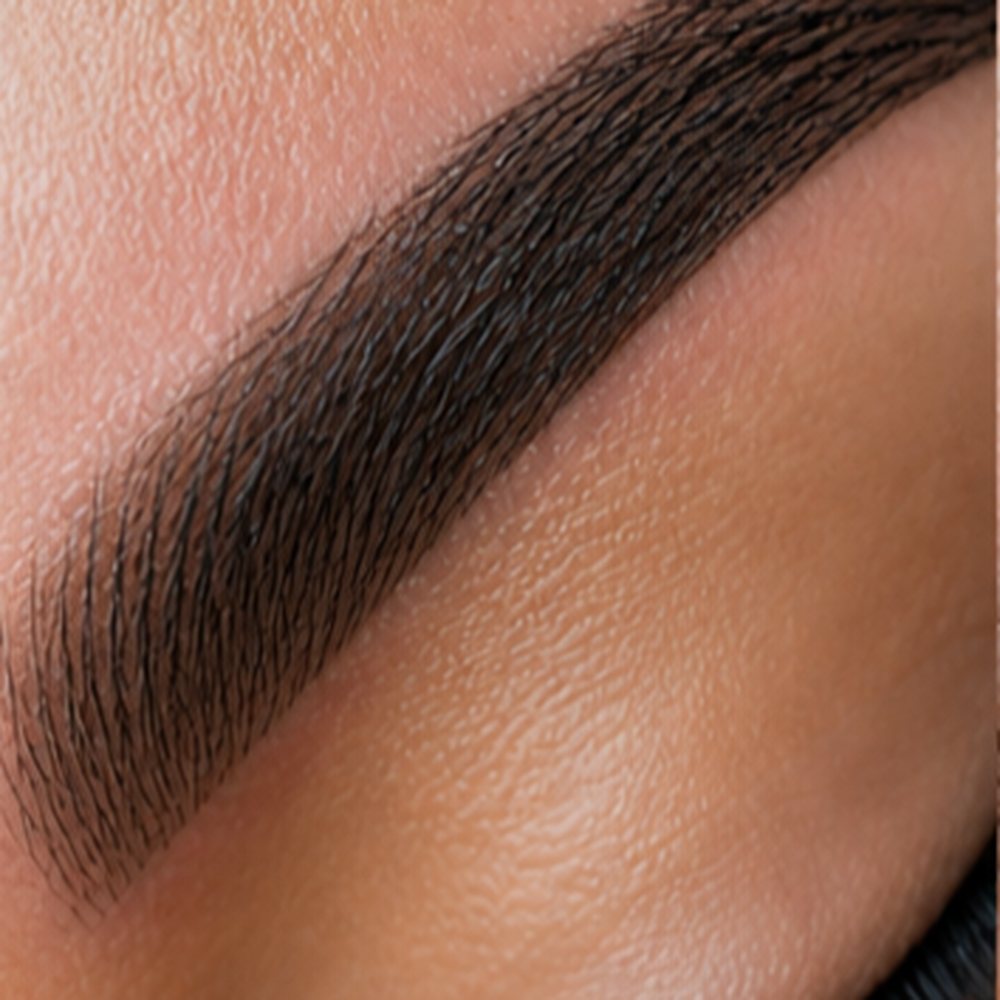 Days 1–3
Bold
Darker and sharper than the final result, by design. Some tenderness and light swelling.
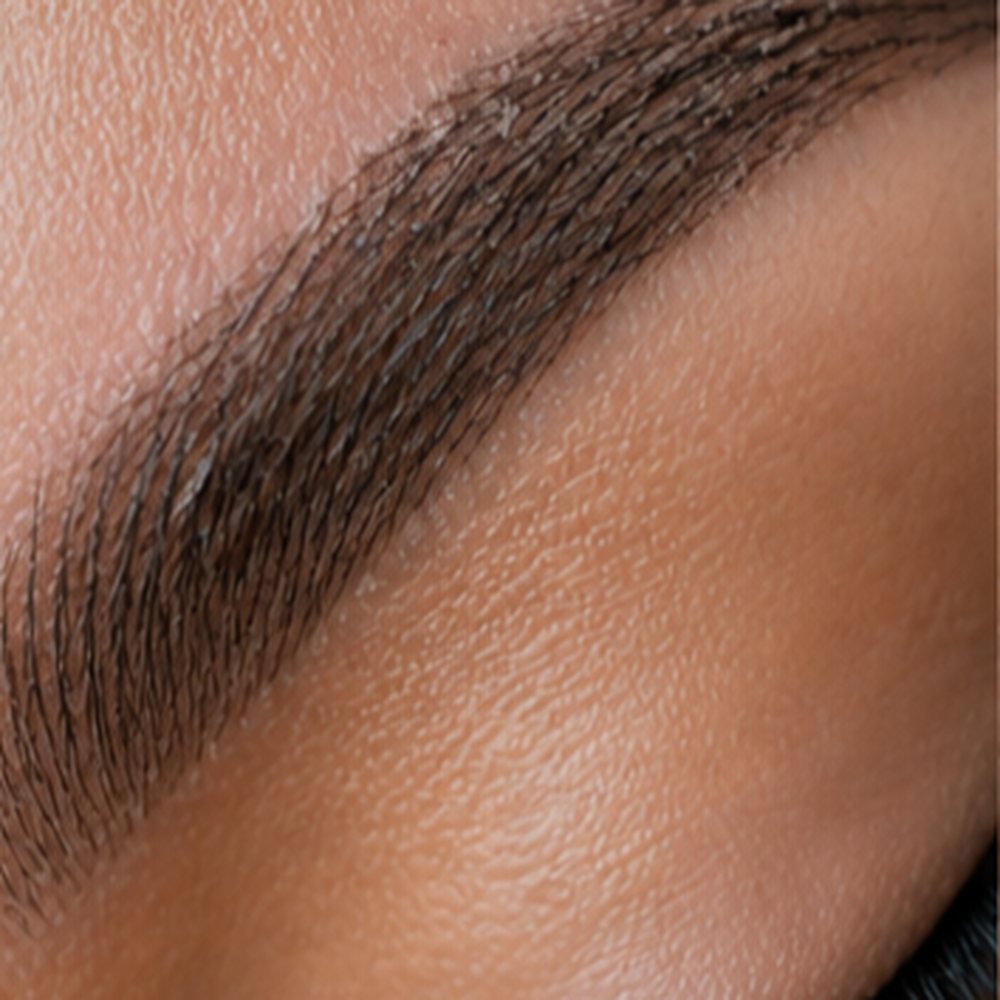 Days 4–7
Flaking
Light peeling as the skin renews. Leave it alone. Picking pulls pigment out.
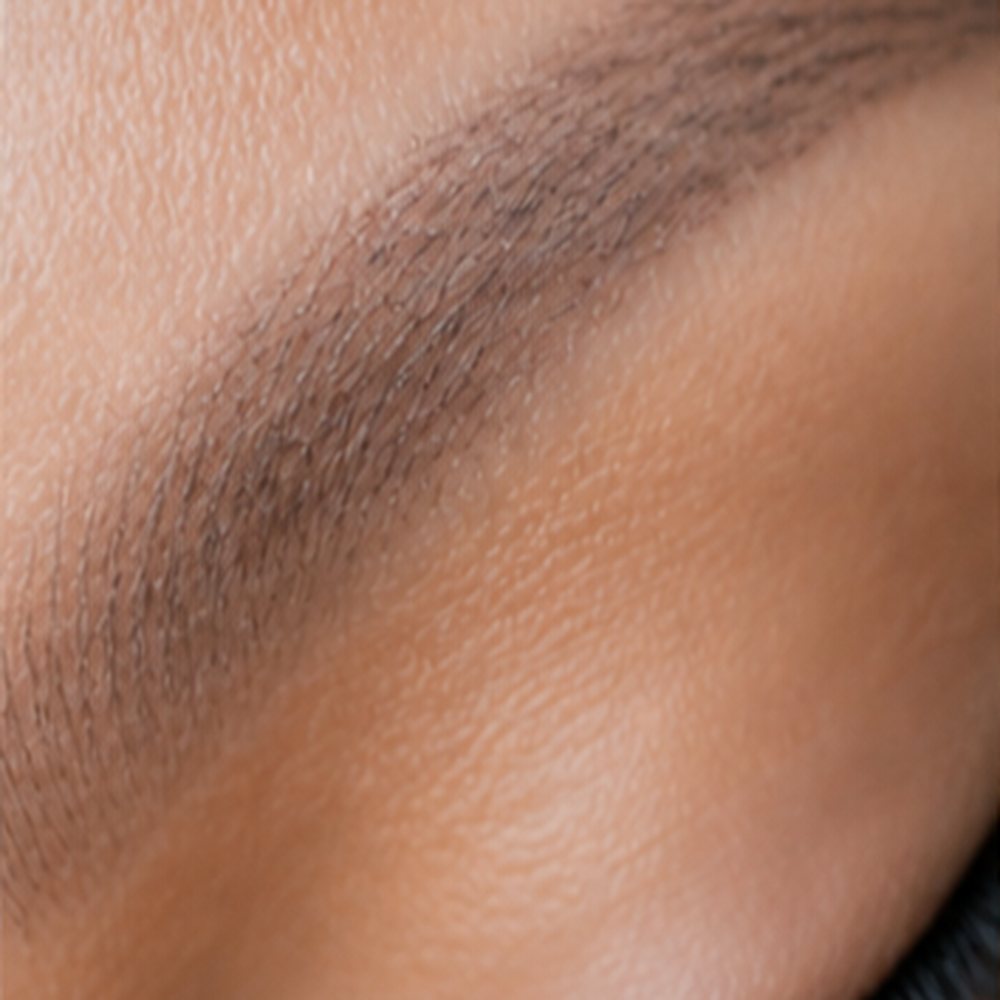 Days 8–14
The ghost
Color looks faded, sometimes gone. It's under fresh skin. This is the part to expect.
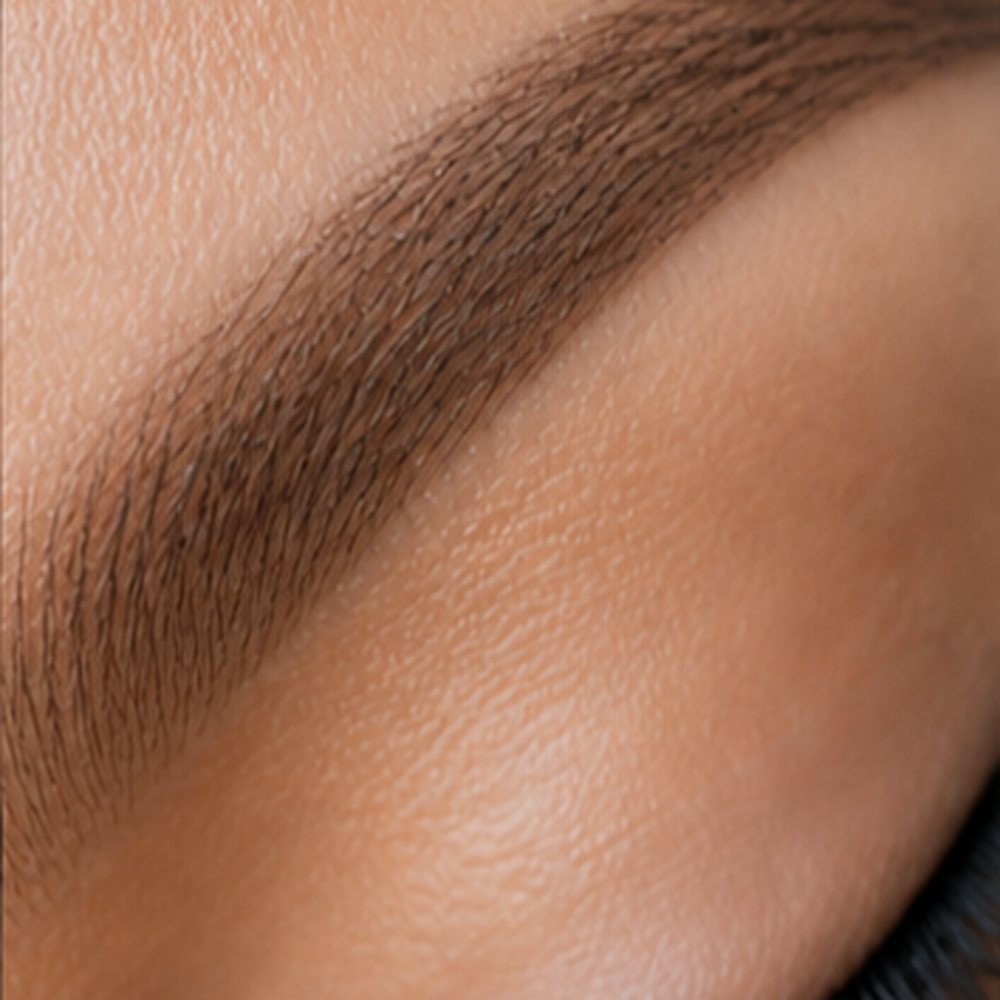 Weeks 2–6
Bloom
Color returns and settles, roughly a third softer than day one.
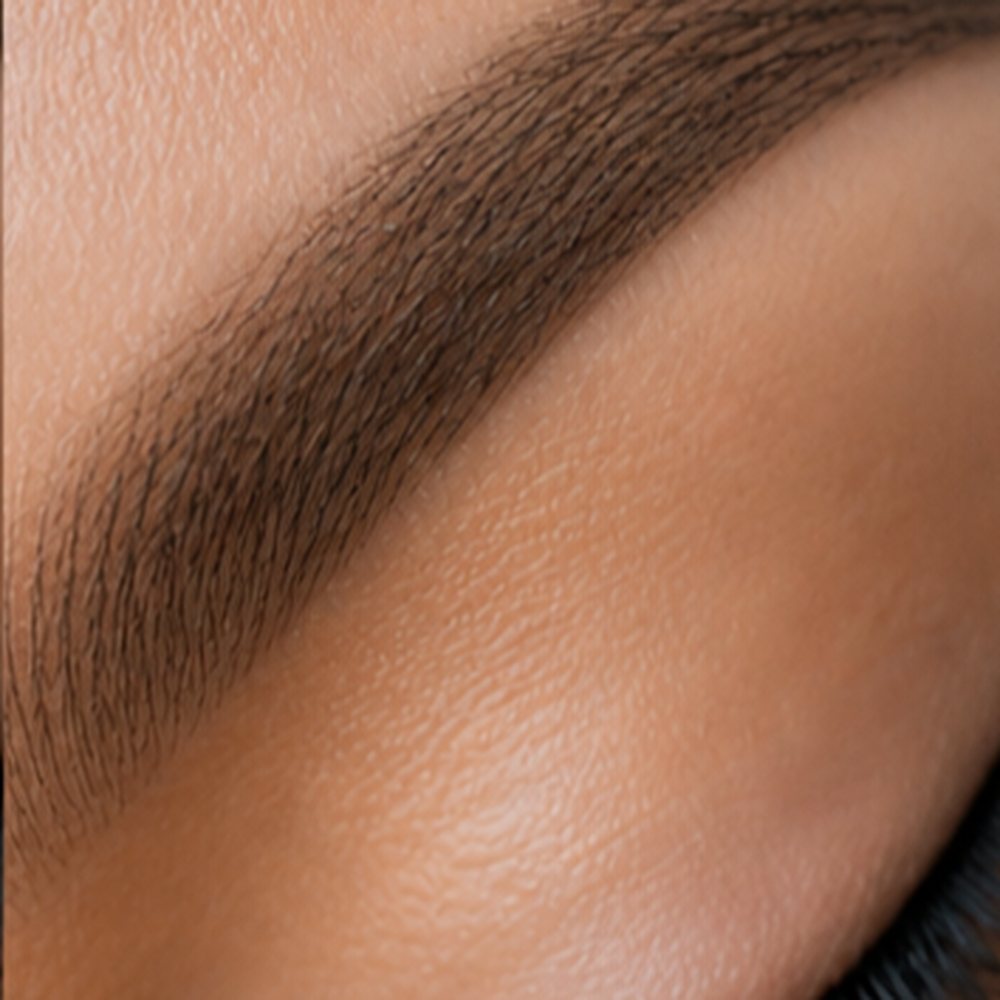 Weeks 4–8
Touch-up
The second half of the procedure: shape refined, color perfected. Booked together.
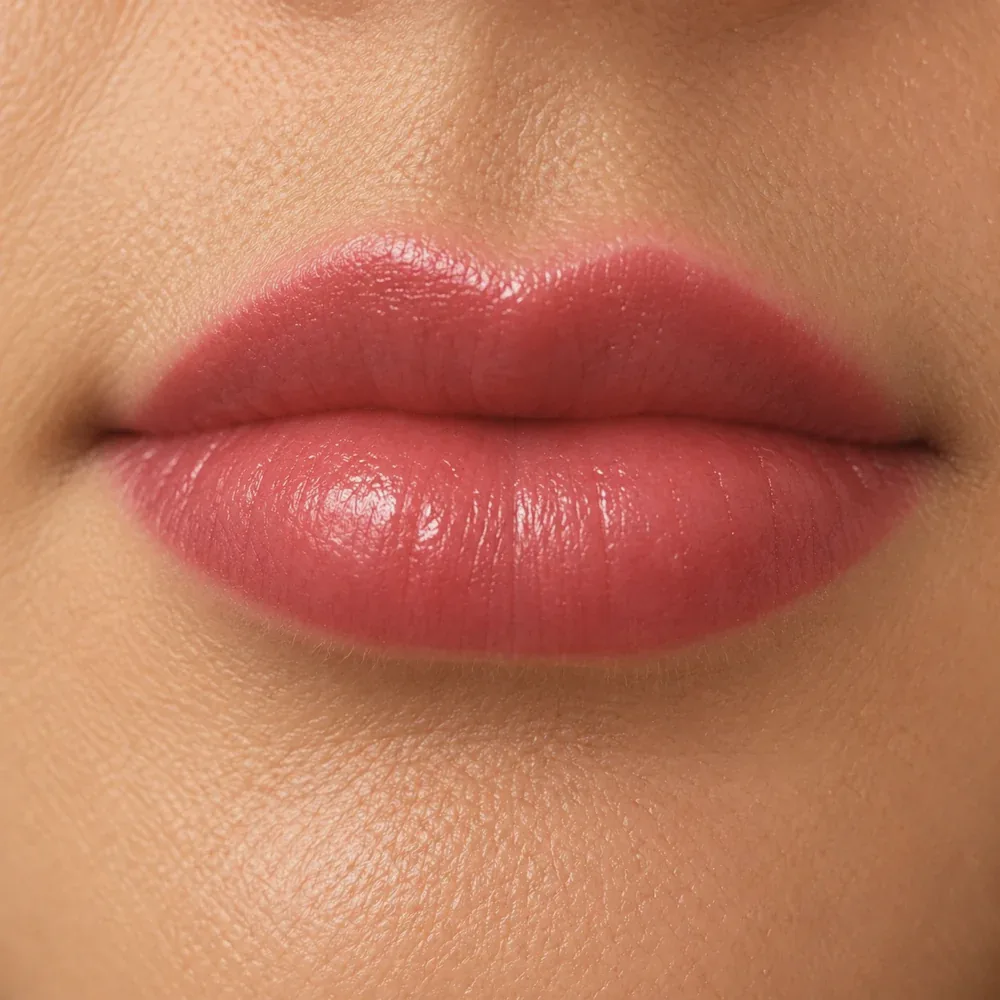 Days 1–2
Bold
Swollen, tender and far brighter than the final color. This is fresh pigment, not the result.
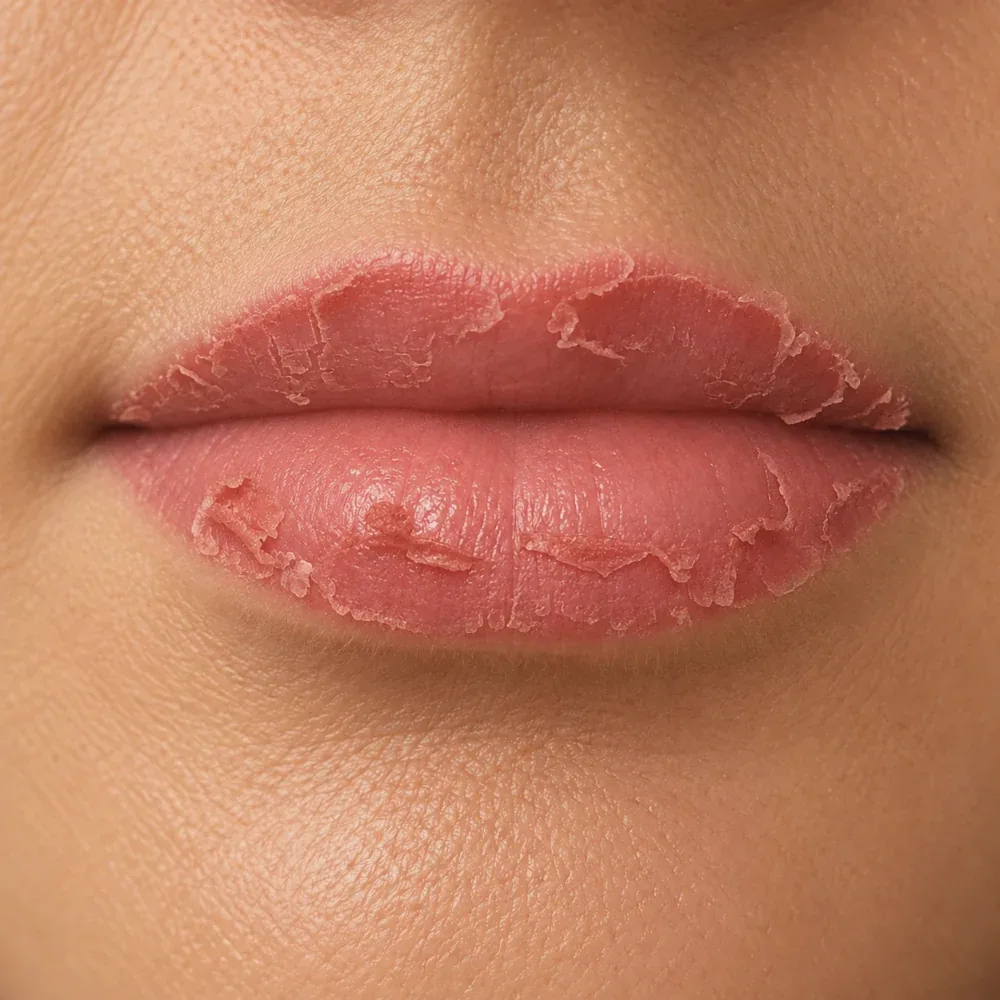 Days 3–5
Peeling
Dry and tight as a thin film flakes away. Let it come off on its own; picking pulls color out.
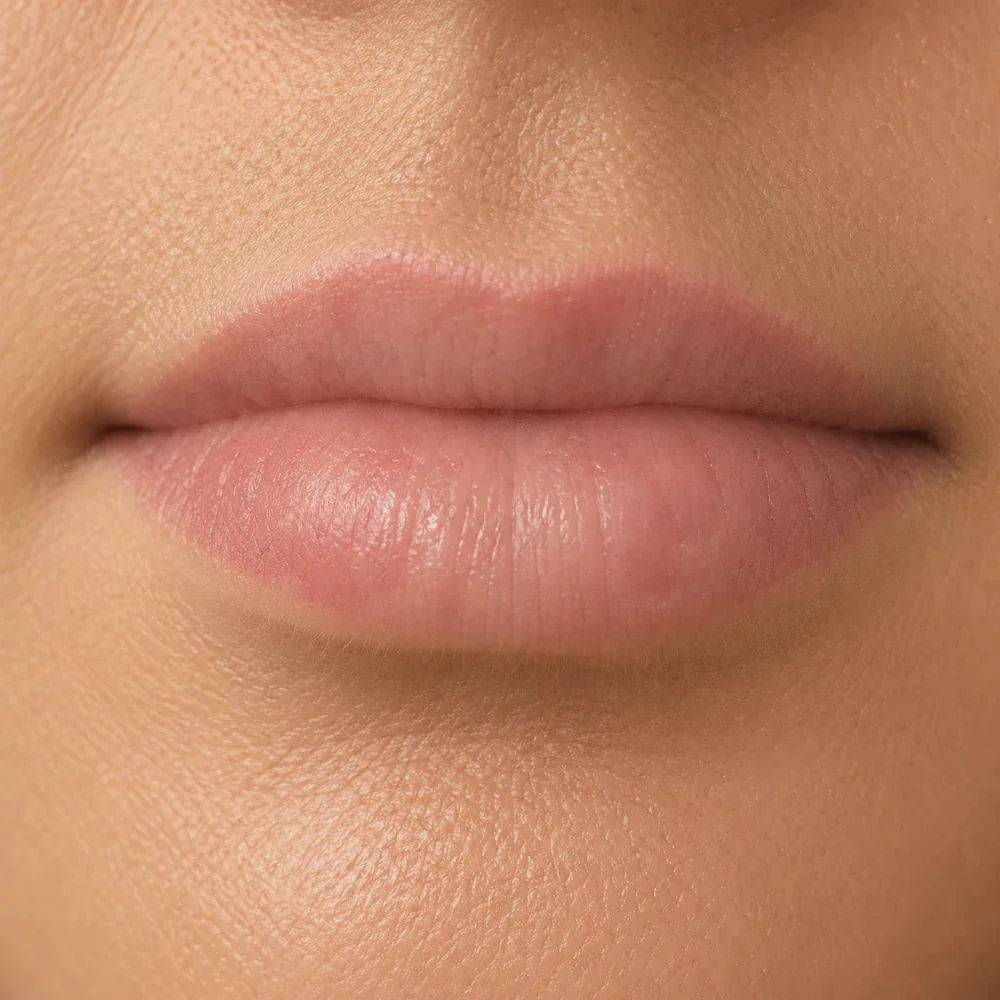 Days 6–10
The ghost
Pale, milky, sometimes patchy. The color is under new skin. This is the stage to expect.
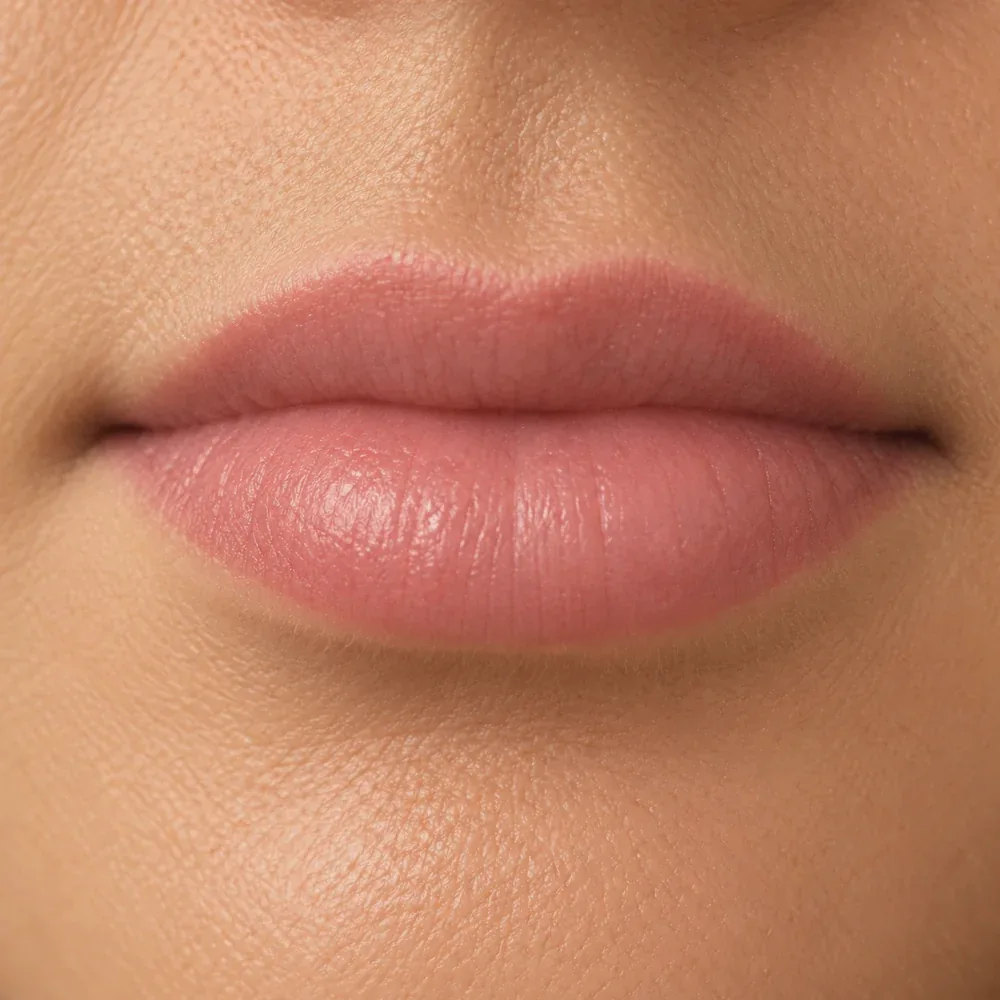 Weeks 2–6
Bloom
Color returns and settles, softer than day one.
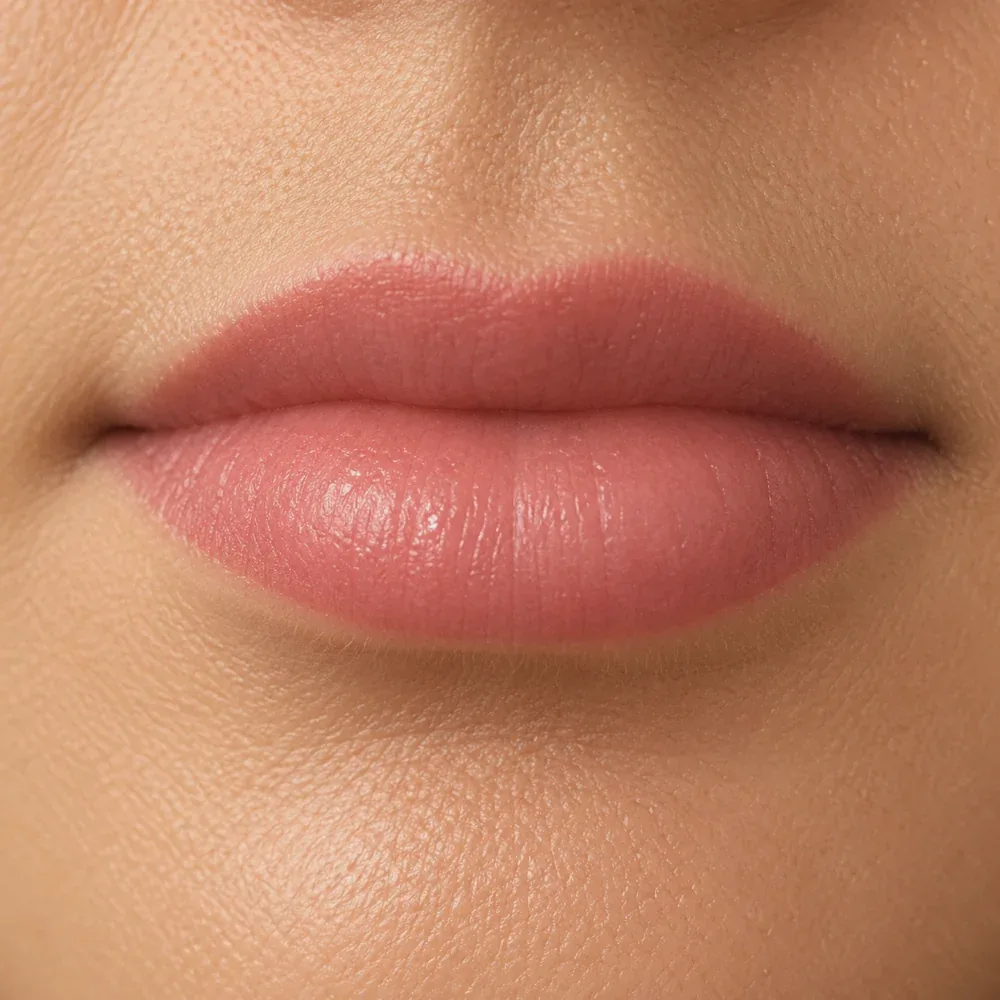 Weeks 6–8
Touch-up
Color and shape perfected. Booked together on the day of your procedure.
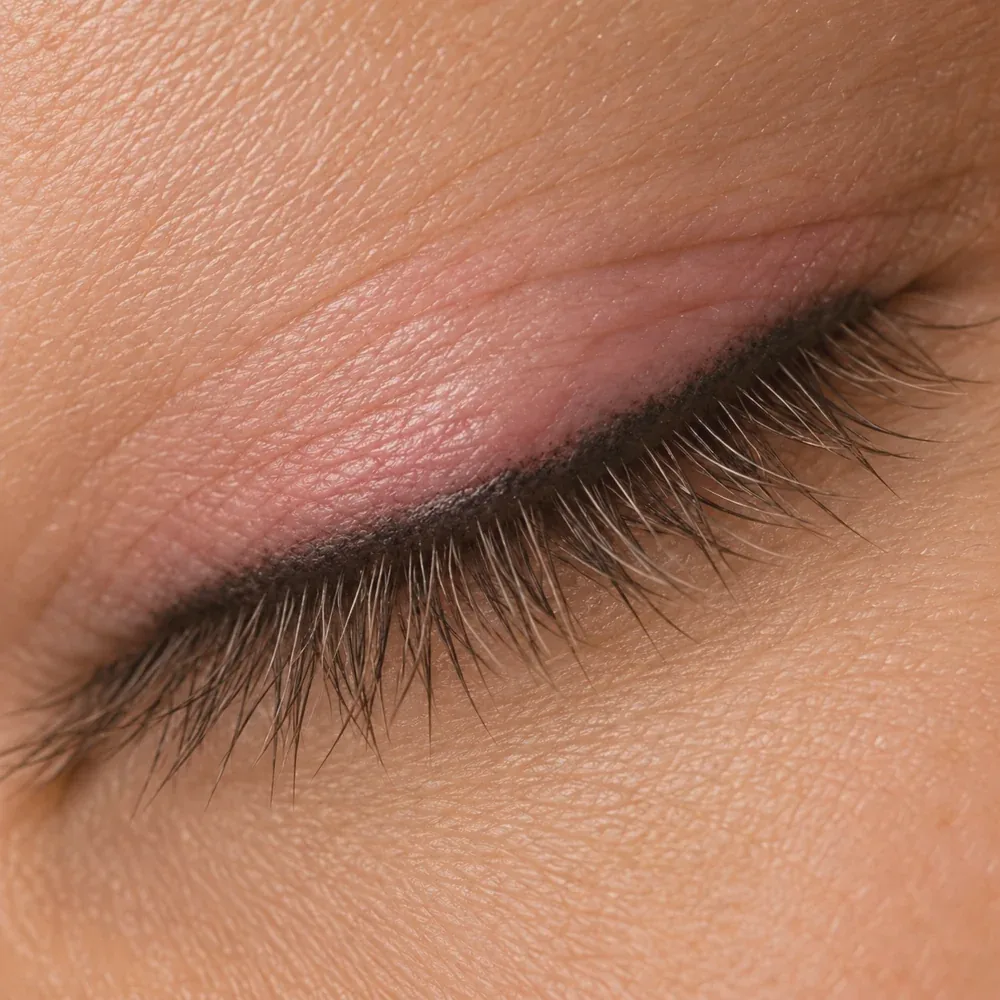 Day 1
Bold
The lid is a little swollen and the line looks thicker and darker than it will heal.
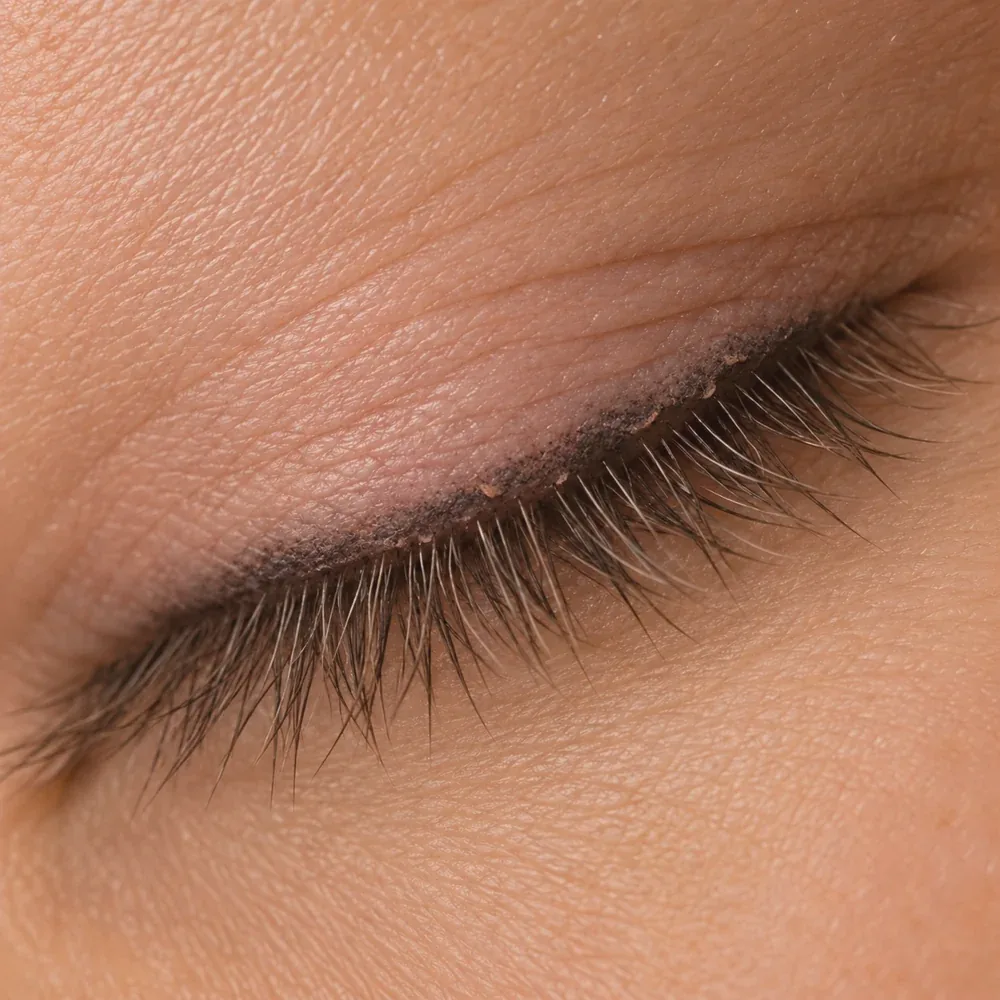 Days 2–3
Settling
Swelling eases, the lids feel tight and a thin crust forms along the lashes.
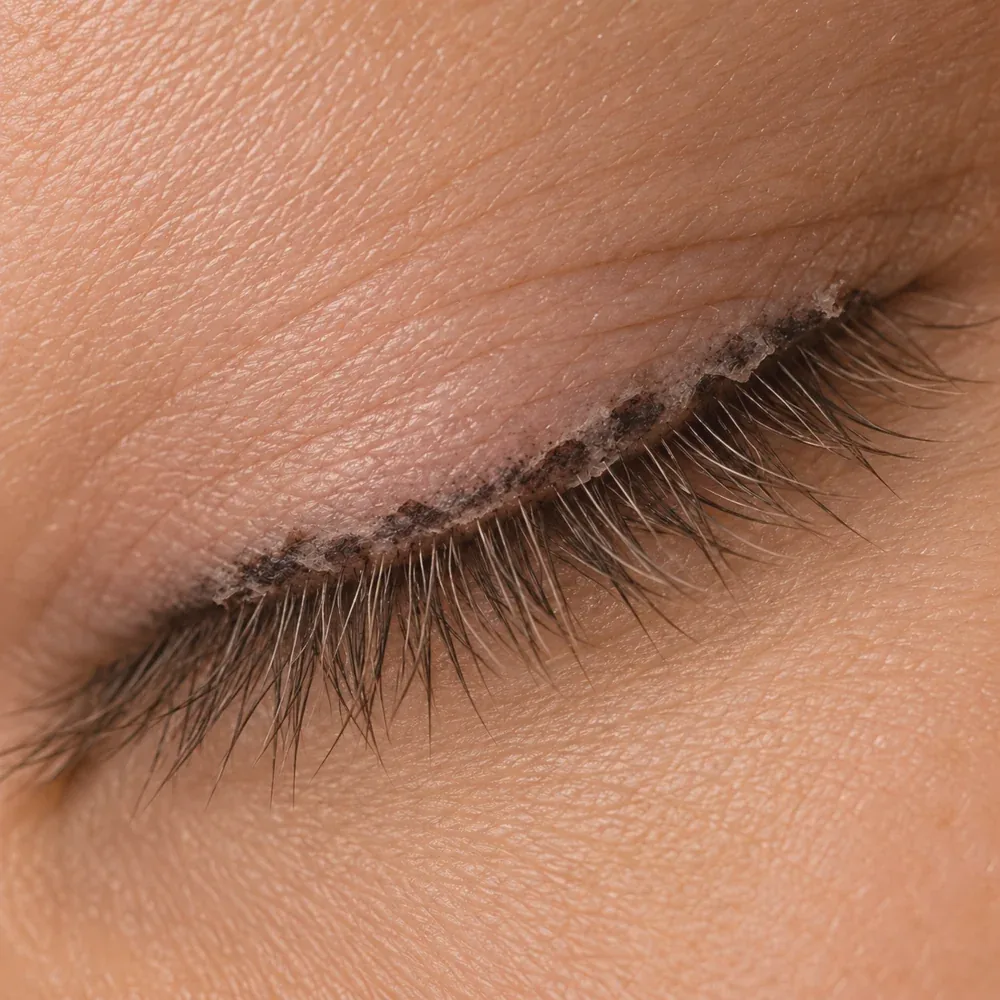 Days 4–7
Flaking
Fine flakes lift along the lash line. Don't rub; let them shed.
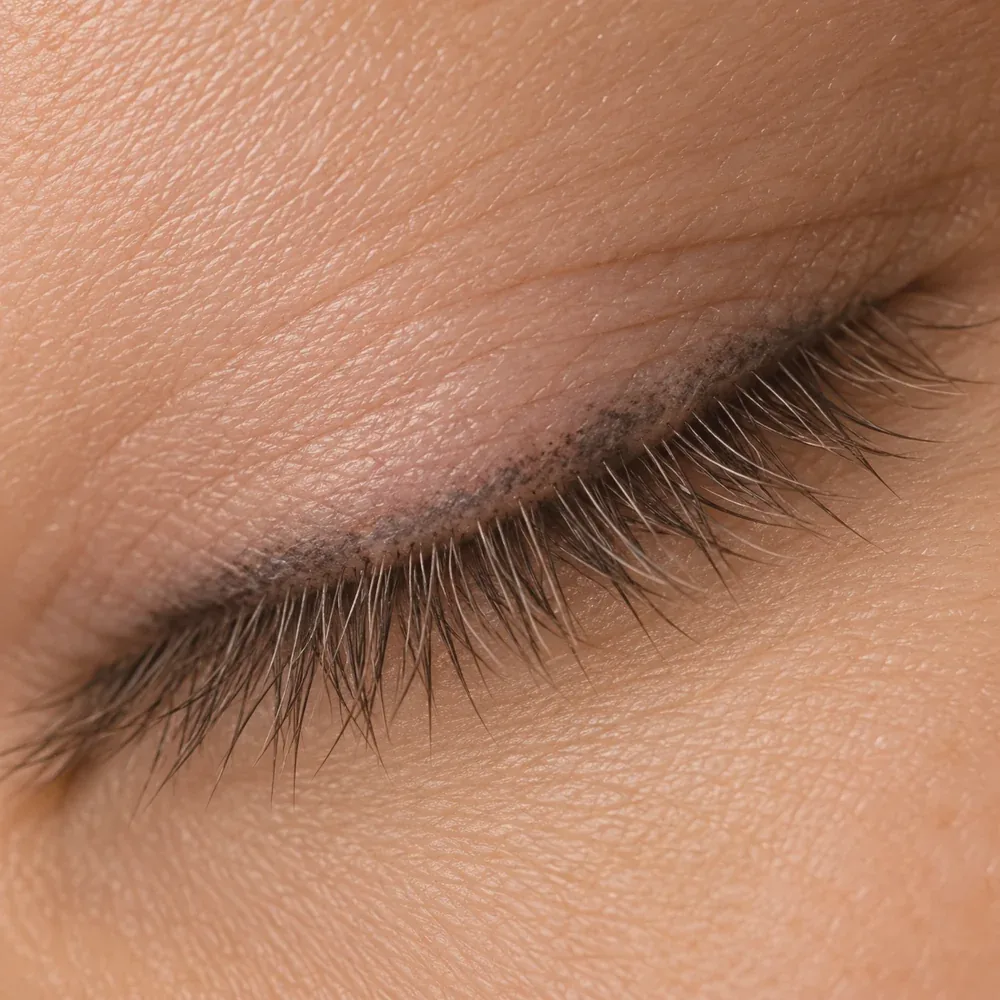 Days 7–10
Soft
The line looks lighter than expected under fresh skin. It comes back.
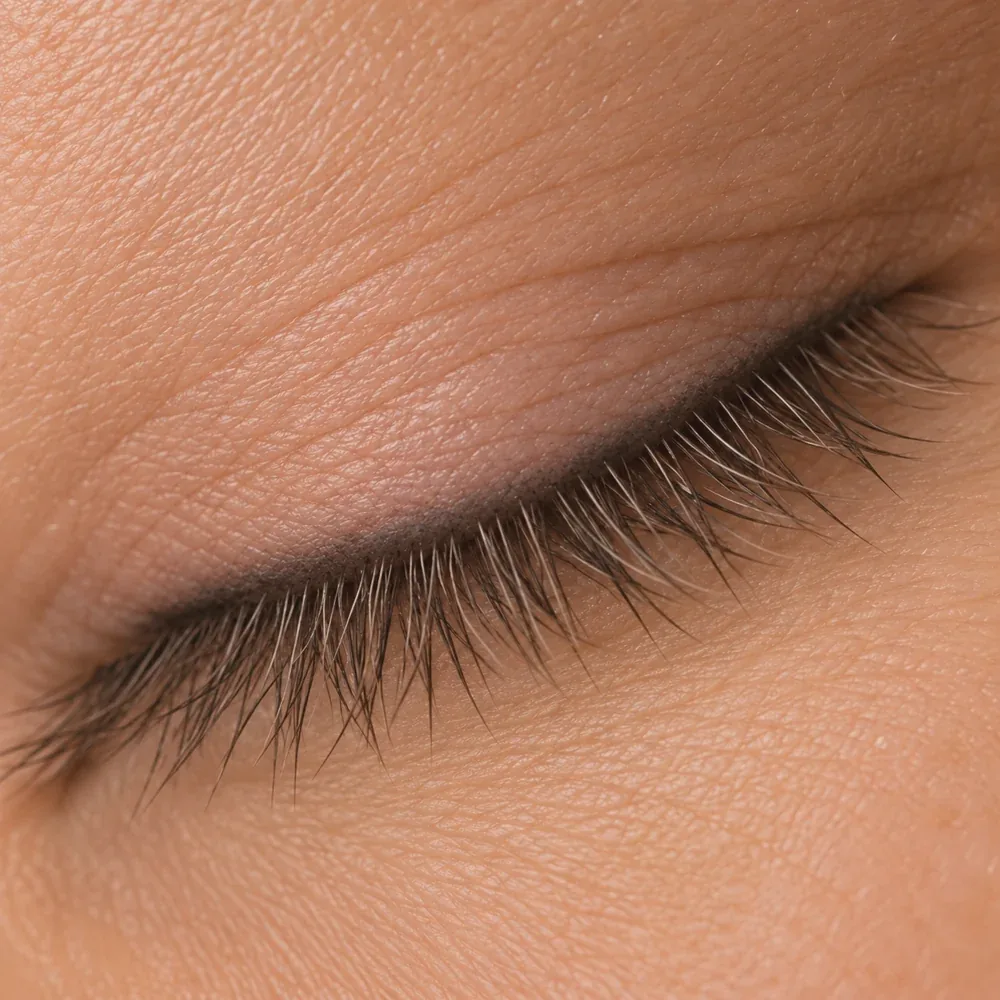 Weeks 4–6
Touch-up
The line is refined and evened. Booked together on the day of your procedure.
The questions everyone has.
What is permanent makeup?
Permanent makeup, also called cosmetic tattooing or micropigmentation, places fine deposits of pigment into the upper layer of the skin to softly define your brows, lips or lash line. It is designed to look like beautifully applied makeup that is simply already there when you wake up.
Does it hurt?
Most people find it very manageable. A medical-grade numbing cream is applied before and during your appointment, and most clients describe the feeling as light scratching or pressure, often comparing it to having their brows tweezed. Everyone's sensitivity is a little different, and we go at your pace.
What does healing look like, day by day?
The visible healing takes about seven to fourteen days, with the skin fully settling over four to six weeks.
- Days 1 to 3. Bolder and darker than your final result. Some tenderness and light swelling.
- Days 4 to 7. Light flaking and peeling. Please do not pick or scratch; it pulls pigment out.
- Days 8 to 14. The color looks faded, sometimes as though it has vanished. This is normal. The pigment is still there under fresh skin.
- Weeks 2 to 6. The color blooms back and settles, roughly 30 to 50 percent softer than day one.
When do I come back for the touch-up?
The touch-up is the second half of the procedure, not a correction. It refines the shape and perfects the color once your skin has healed. Brows and eyeliner are ready for it at four to six weeks; lips at six to eight. We book it together on the day of your first appointment, and it is $250.
How long does it last?
Machine work, which is what powder brows, lip blushing and eyeliner are, typically lasts one to three years. How long is personal: oily skin, sun exposure and active skincare such as retinols all fade pigment faster. Most clients come back for a color refresh every one to three years.
Do I get to choose the color and shape?
Yes, and nothing begins until you are happy. Your shape is mapped and drawn on first, measured to your own bone structure and symmetry, and you approve it before any pigment is used. Color is chosen for your skin's undertone so it stays true as it heals rather than turning ashy.
What are the risks?
This is a cosmetic tattoo, so it is an invasive procedure and worth understanding properly. Normal short-term effects are swelling, redness, mild tenderness and flaking. Less common but real risks include infection, and allergic reaction to pigments, which can occasionally appear long after the procedure. Certain conditions and medications mean we would need to wait or get clearance from your doctor first. We go through all of this at your consultation, and it is covered in the consent form you sign before we begin.
Who should wait, or check with a doctor first?
We cannot proceed if you are pregnant or breastfeeding, have used Accutane or isotretinoin in the last six months, have an active infection or skin condition on the area, or are currently having chemotherapy or radiotherapy. Please tell us at the consultation if you have diabetes, an autoimmune condition, a bleeding or clotting disorder, a history of keloid scarring, glaucoma (for eyeliner), or if you take blood thinners; some of these need a note from your doctor first. If you get cold sores and want lip blushing, mention it, as there is a simple precaution to take beforehand. You must be 18 or over.
How do I prepare?
Avoid alcohol, caffeine and blood-thinning pain relief such as aspirin or ibuprofen for 24 hours before, stay out of the sun and skip retinols and exfoliants on the area for a week, and arrive with clean skin and no makeup on the area. Full instructions come with your booking confirmation.
Ask me in person.
The consultation is free, takes half an hour, and is the best place for any question this page leaves open.